
Re-Thinking Thanksgiving
November can be a tricky month for teachers trying to acknowledge two noteworthy occasions, Native American Heritage Month and Thanksgiving, in ways that highlight the contributions of the many culturally distinct nations found across the American continents. How can we celebrate without appropriating or being insensitive?
Evaluating Assumptions Around the First Thanksgiving
Let’s start with a few true or false statements that can help us rethink some assumptions.
True or False? The people who came across the ocean on the Mayflower called themselves Pilgrims.
False: The Plymouth settlers did not refer to themselves as “Pilgrims.” The term Pilgrims was not in popular use until the 1800’s. In today’s common vernacular, the word has been attached to the people who came across on the Mayflower. However, they called themselves “saints” and were often referred to as “separatists” as they distinguished themselves from the Church of England.
Takeaway: Using the names that unique groups identify themselves by—instead of the names assigned to them by popular use—is a great way to honor and acknowledge others.
True or False? The colonists invited the Wampanoag people to celebrate the First Thanksgiving.
False: The Wampanoag tribe, upon hearing gunshots from the Plymouth settlement, gathered approximately 90 men in fear that a battle was about to begin. Upon arriving at Plymouth and seeing the “festivities,” tribe members went out and brought back five deer and several turkeys. Native and Europeans alike were very familiar with harvest feasts long before 1621.
Takeaway: Finding common ground with those who are different is an important step toward respectful and meaningful dialogue.
True or False? Thanksgiving has been celebrated every year since the First Thanksgiving in 1621.
False: Our modern celebrations of Thanksgiving date back to only 1863. President Lincoln named the fourth Thursday of November a National Holiday during the Civil War in an attempt to promote solidarity and unity between the warring states. Again, fall harvest feasts were common but the commemoration of the 1621 meal started some 200 years after it occurred.
Takeaway: Sharing this information in your classroom or at your family table can add truth and accuracy to the narrative around Thanksgiving.
Moving Forward: Thanksgiving in the Classroom
Careful consideration, evaluation and verification of what we were taught as children and the accompanying assumptions we still carry with us can help us become better educators.
Lesson plans for November often focus on Native peoples. It may be tempting to try to incorporate popular conceptions like making faux Native American clothing (paper bag vests, headdresses, feathers, etc...); reenacting the “First Thanksgiving”; or using Indigenous song and dance. You may not know that these well-intentioned activities may perpetuate harmful stereotypes and teach incorrect concepts. Don’t worry! We are here to help you understand why these common practices can be problematic and what you can do to create a more respectful classroom.
Clothing: Costumes vs. Regalia
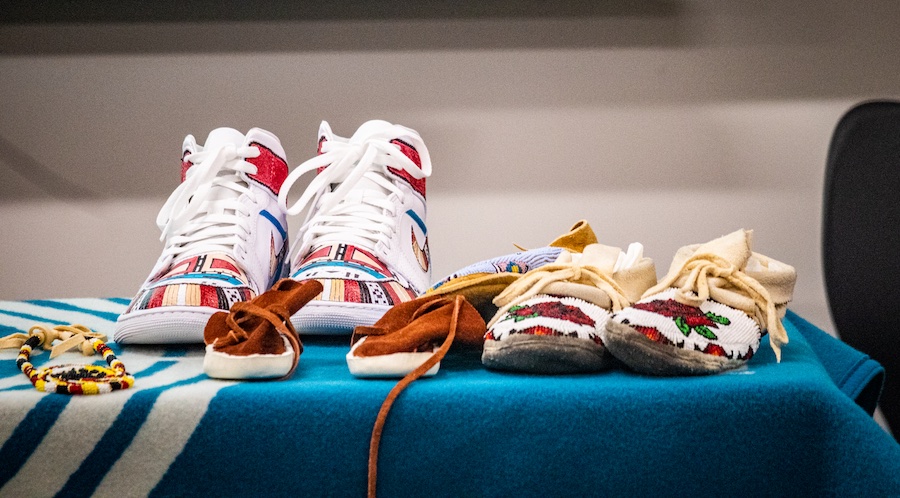
It may seem like a fun art and culture activity to make headdresses out of colored construction paper. However, did you know that for the tribes that use headdresses, they are a part of ceremonies? In fact, the use of feathers has significant meaning—each feather being earned by a noteworthy accomplishment. What we think of as “costume” is known as “regalia” ("re-GAIL-yah") and is the word used to mean a traditional outfit that Native American people wear. A costume is what people wear when they are dressing like someone else, but Native people wear regalia as a way to express themselves and their culture. Attempting to replicate Native regalia is not a respectful way to honor Indigenous people. Despite a wealth of the best intentions, this practice can be seen as disrespectful and perpetuates stereotypes. Most Native American “costumes” or made-up dress is not an accurate representation of Native culture in the past and does not reflect present-day Native culture. We do not want non-Native children to develop inaccurate understandings of Native peoples.
Takeaway: Instead of adopting Native costumes in your classroom, incorporate Native knowledge into your lesson plans (provide links or refer to links listed below).
Reenactments: Honoring or stereotyping
It can be tempting to think that recreating the First Thanksgiving would be a good way to honor the cooperation of Native Americans and Pilgrims. Unfortunately, Thanksgiving is often portrayed as a friendly harvest festival with generic, nameless “Indians.” Instead, teach your children about the specific tribe, the Wampanoag, that participated in a political alliance in 1621 and are still active participants in Massachusetts politics in 2022. Additionally, while it is widely assumed that everyone looks at the Thanksgiving story with warm fuzzies, its actual history is more complicated, especially for Indigenous people who suffered as a result of colonization. For example, we know it would be inappropriate while studying the Civil War to have students dress up as slaves or as slave masters. Find other ways to honor the positive traditions of Thanksgiving through teaching truth and incorporating appropriate ways to honor the authentic experience of the Native voice.
Takeaway: Share ways of giving thanks both in the past and the present. Native American people around the country have different ways of approaching the idea of giving thanks. (See links below) Research and teach about tribe specific cultural ways. It is important to include accurate details, be tribally specific, and practice cultural sensitivity when teaching about Thanksgiving.
Song & Dance: Celebration or Appropriation?
Like regalia, many Native songs and dances are specific to ceremonies and prayers and are not for public use. However, students in Utah have been given permission to sing Native songs found in the following lesson plans:
- I Love the Mountains – Damen Doiya
- Northwestern Shoshone Fish Song
- Paiute Alphabet Song
- Shí Naashá
- Native American Round Dance (see note below)
From our lesson plan on the Native American Round Dance:
“The Round Dance is a social dance that invites all to participate. The Indigenous tribes/nations of Utah ask that teachers reach out to Native Americans within the community for assistance in teaching the Round Dance. Contacting families within your school community would be ideal. If other avenues are needed, contact your district Title VI coordinator or Indian education department within your state education system.”
This tradition carries significant spiritual meaning and stems from longer events that may include prayers and other ceremonies. We have attempted to “accept no gracefully” and “listen attentively” when listening to Native culture bearers as they describe the purpose of the Native American round dance and their desire to decide who is invited to participate in these sacred cultural rituals.
You can read more about Native perspectives on the Native American Round dance on this blog.
Inviting Native Voices to the Classroom
We know all this information can sound overwhelming and tempt teachers to eliminate all references to Indigenous people rather than get it “wrong.” Resist that urge as it’s so important to raise awareness. Invite one of the many Native Americans in your community to come to your classroom or school, talk about their Native American identity, and share pieces of their culture, perhaps through artwork, story, song, dance, or food. The Title VI Native American Education Coordinators are an amazing resource as are the many Native American parents in your community! You can also contact BYU ARTS Partnership’s Native American Curriculum Initiative for resources, advice, and support (artspartnership@byu.edu).
As you plan lessons for Native American Heritage Month, we hope you find the following links helpful. Ideally, you will not only teach about the various Native peoples during November, but throughout the year, and highlight the many things they are still accomplishing.
- Native American Perspectives on Thanksgiving Celebrations
- How to Teach Thanksgiving with Cultural Awareness
- An Authentic Look at Thanksgiving
- Accurate, Fun, Respectful Thanksgiving Lessons
- How Native Americans Celebrate Thanksgiving
Additional Culturally-Sensitive Resources & Activities
Authentic Thanksgiving Resources
- Read and discuss the Haudenosaunee Thanksgiving Address with your students. This expression of gratitude is recited by Haudenosaunee people at community gatherings throughout the year.
- Use the NMAI's resource Harvest Ceremony: Beyond the Thanksgiving Myth to learn about the true history behind the historic event.
- See the website for Plimoth Patuxet for activities about what really happened at the famous 1621 celebration.
- Create a new Thanksgiving menu in your classroom or at home using Native foods.
K-6 Thanksgiving Teaching Activities & Resources
- For grades 4–8, see the NMAI teaching poster American Indian Perspectives on Thanksgiving.
- For younger students, follow this Smithsonian activity to make beaded corn necklaces and learn about the importance of corn.
- For grades 3–5, the Abbe Museum, a Smithsonian Affiliate museum of Wabanaki history, art, and culture, also has helpful resources, including a lesson plan on Thanksgiving and Thanksgiving quiz cards.
- For grades 6–12, this activity from Teaching Tolerance has students read and analyze two texts about Thanksgiving written by Native authors.
Recommended Books that Celebrate Thanksgiving
- If You Lived During the Plimoth Thanksgiving, Written By Chris Newell, Illustrated By Winona Nelson
- Giving Thanks, A Native American Good Morning, Message By Chief Jake Swamp, Illustrated by Erwin Printup Jr.
- 1621 a New Look At Thanksgiving, Catherine O’Neill Grace and Margaret M. Bruchac with Plimoth Plantation; Photographs by Sisse Brimberg and Cotton Coulson
- We are Still Here! Native American Truths Everyone Should Know, Traci Sorell; Illustrated by Frane Lessac
- We are Grateful, Otsaliheliga, Traci Sorell; Illustrated by Frane Lessac


