A Decision-based Model for Selecting Appropriate Native American Content for the Classroom
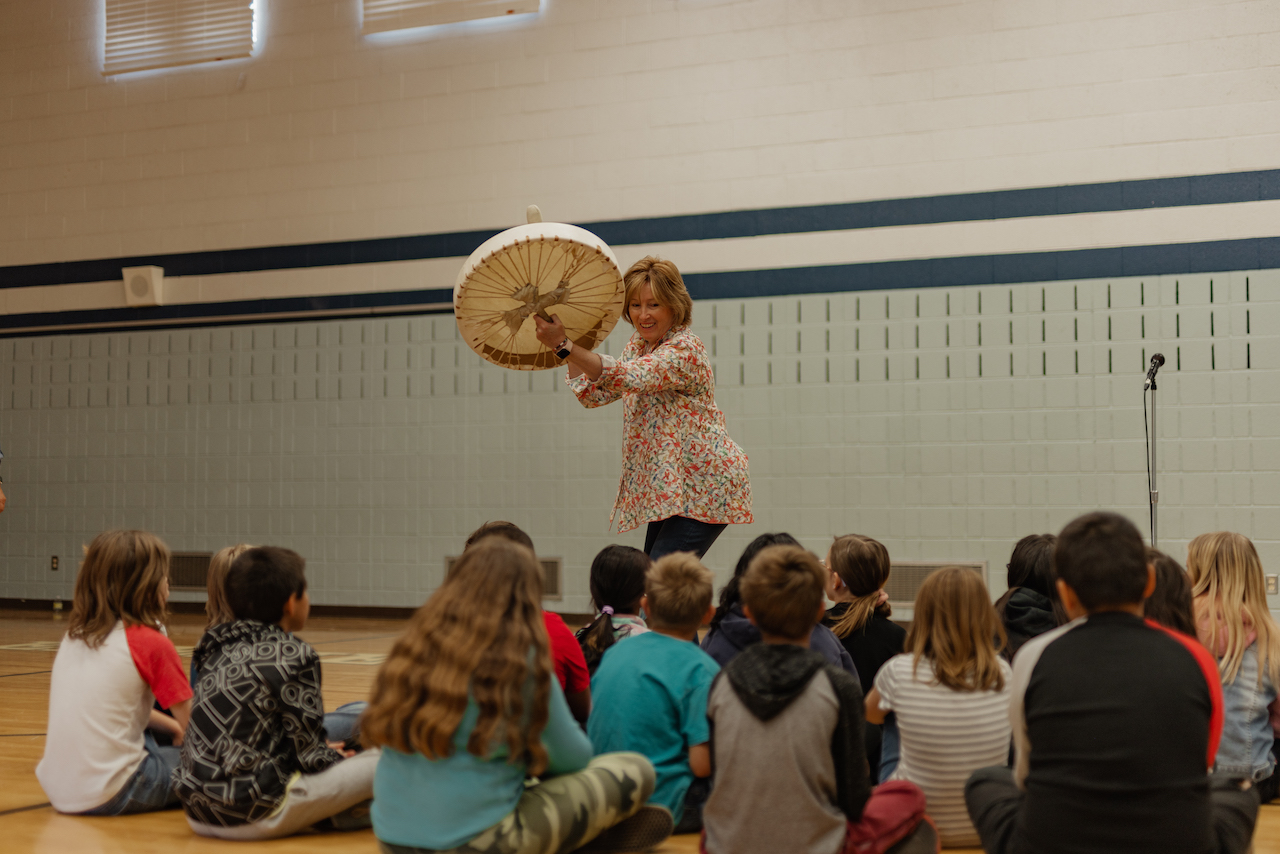
Teachers fearful of cultural appropriation in the classroom are looking at the resources they’ve used for years, asking themselves, “Do I want to continue using this resource in my classroom?”
During an era of education impacted by cancel culture, fear, and censorship, it may seem easier to avoid the topic of marginalized cultures altogether in the classroom. But teachers dedicated to creating inclusive classrooms and honoring the identity of all children inside and outside of their classrooms are diving deeper to understand how they can include accurate—and authentic—cultural resources in their classroom.
If you’re one of the teachers looking for support when deciding what resources to keep, add, or let go of, we have a great resource for you!
Decision-Based Learning Model: A guide for teachers asking, “Do I want to use this resource in my classroom?”
Our Decision-Based Learning Model (DBL) was designed to help teachers decide for themselves whether they want to use, or continue to use, resources they have about Native American history and culture in their classroom. It was originally designed for our online course “Amplify Native Voices in the Classroom.”
Our Decision-Based Learning organizes the key questions a teacher might ask when critically thinking about a resource and trying to decide whether they want to use it in their classroom or not. The focus is on helping teachers frame and understands the issues related to the decision. It starts with questions that look at the resources from a higher level and then branches into more detailed decisions toward the end. As teachers take this reflective journey, they are provided with just-in-time information that helps them make sense of their specific instructional situation from multiple perspectives, ultimately making them confident in making their decision.
The DBL presents six questions that help teachers thoughtfully consider their respective resources. Each question links to further information to guide reflection. It doesn’t provide direct answers to the teacher’s question; rather, it provides direct support for their own thinking and choice-making.
- Does the creator’s background lend credibility to the resource? (experience, training, purpose, connection to the tribe, quality of work…)
- Is the content accurate and authentic?
- Does the resource provide tribe-specific representation?
- Does the resource bring Native Americans into the present?
- Are any references to traditional ceremonies or deities respectful and appropriate?
- Does the resource encourage copying or replicating Native American traditions, symbols, or objects in inappropriate ways?
You can download a PDF copy of this resource here.
Once downloaded, click on the hyperlinks to view the associated slideshow presentations for each question. Here is an example of a slide associated with question 2 "Is the content accurate and authentic?"
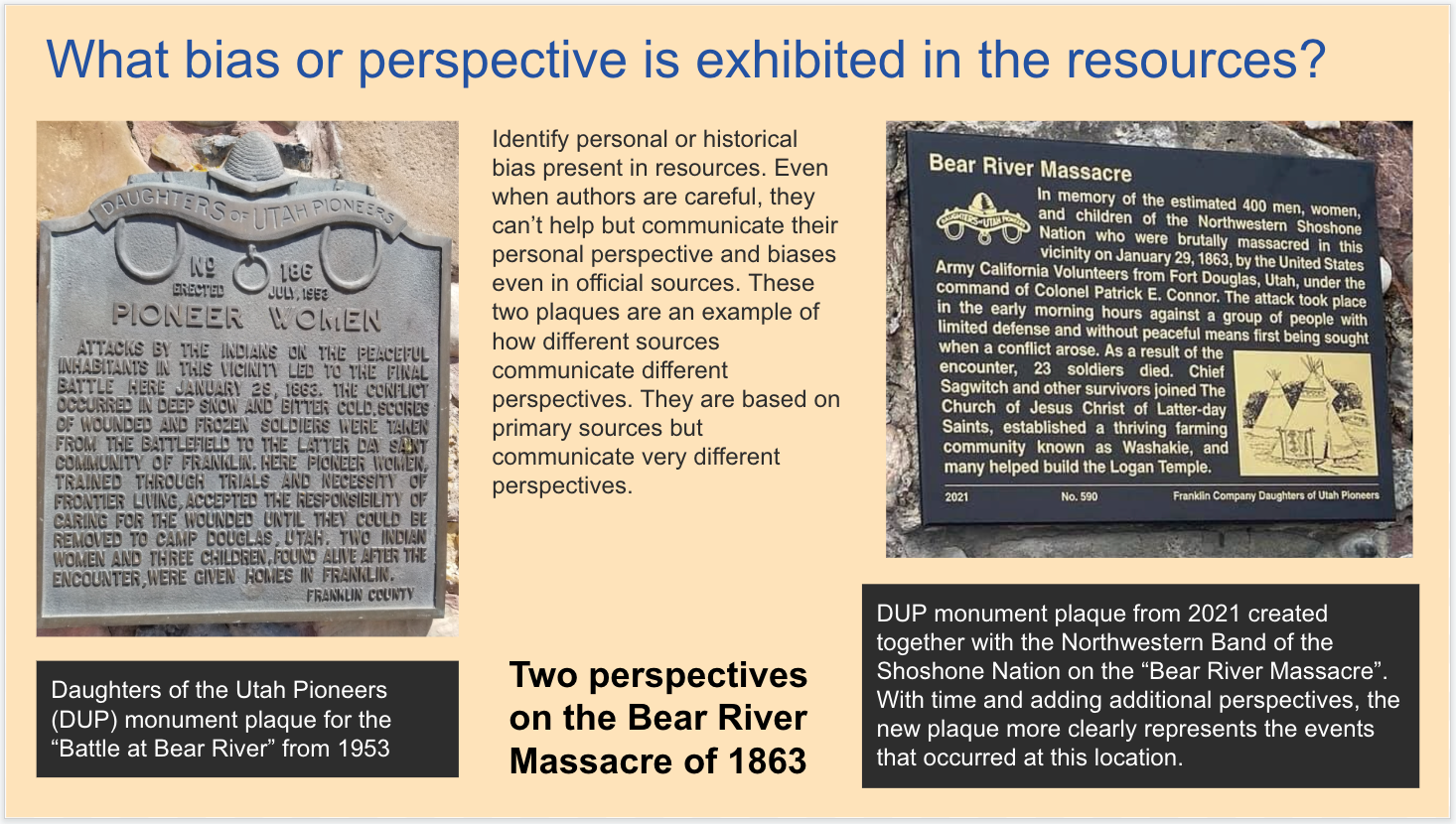
What our decision-based learning model does not do is tell teachers what to do.
You won’t find “yes” and “no” answers from this guide. You will find prompts and information to clarify and elevate your judgment. We honor the autonomy and maturity of teachers in our community. Providing this open model shows our trust in teachers to feel, deliberate, and decide for themselves.
You are not alone on your decision-making journey! Much of the thinking done in this decision-making journey can be enhanced through conversation and collaboration with others. Therefore, we still highly recommend taking our online course as the context and dialogue provided in the course enhances the usefulness of the DBL learning tool.
References
K. Plummer, R. Swan, N. Lush, (2017). Introduction to decision based learning, Inted 2017 Proceedings, pp. 2629-2638.
Heather Francis is the research and design coordinator for the BYU ARTS Partnership. As a dance-teaching artist and math educator, she loves integrating the arts for the purpose of learning, connecting with others, and enjoying life.


