Newsletter #16: Appreciation, Apologies, and A-ha’s!
Charlotte Hawkins
Beverley Taylor Sorenson visual arts educator
Your Classroom Environment
My husband says my classroom is one poster away from giving students seizures. Rude. I have A LOT going on, for sure, but it is all necessary. Art teachers are the junk collectors and hoarders of the education world. Sure, I’ll take those 1,000 googly eyes off your hands, because while I might not need them now, in five years when I do use them, I’ll have them… if only I can remember where I put them!
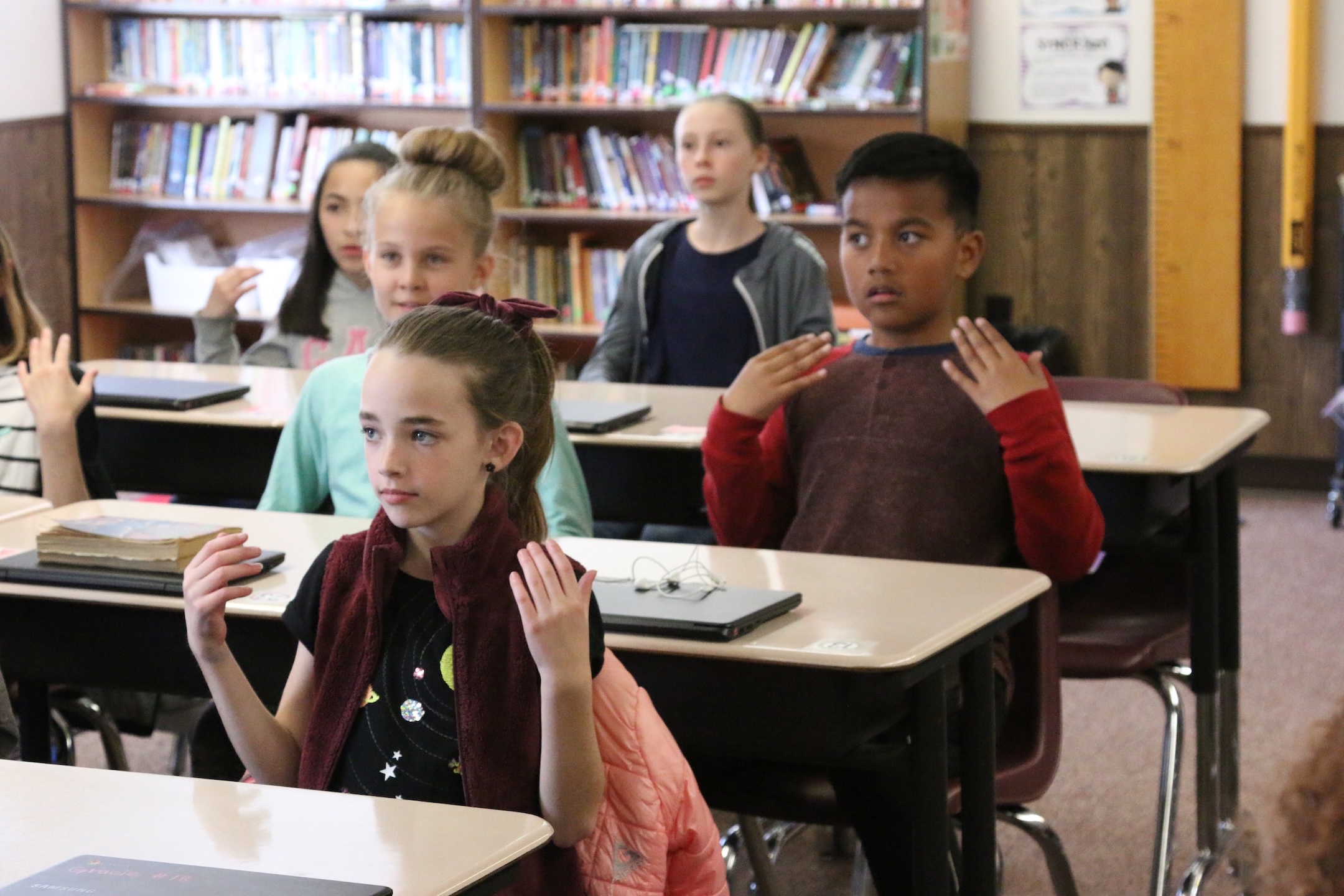
Classrooms are our home away from home. It’s the environment we build to harness creativity, hone discovery, and produce masterpieces. Whether you have a classroom that looks like an inspiration board from Pinterest, a laboratory filled with half-finished experiments, or an artistic hurricane (like mine), you know that how students feel when they walk through the door is much more important than what they see.
So how do we go about creating a climate of collaboration, conversation, experimentation, and learning that is conducive to risk taking and problem solving?
Language, Tone, and Presence
“Our language can be a major conveyor of respect and value. We need to be intentional about our words, body language, and tone so that all convey genuine interest, curiosity, and care” (Ritchhart, Cultures of Thinking in Action). A simple routine to help your classroom build respect and value for each other is the 3 A’s routine by Project Zero. Project Zero, a Harvard Graduate School of Education initiative, developed routines to get students to think by creating a place where they feel valued and respected.
One such routine is the 3 A’s, which stands for Appreciation, Apologies, and Aha’s! This routine should only take a few minutes at the end of class time.
Setting Up the Routine
Write “Appreciation” “Apologies” and “Aha’s!” on a board and ask students to use one of the words to make a comment about today’s lesson.
- Invite students to share with the class any appreciations they have for anyone in the room. (This could be a person that helped them or sparked an idea.)
- Invite students to offer an apology for their own behavior. (This could be a recognition that they were disruptive, unhelpful, or distracting.)
- Ask students to offer an “Aha!” (A moment of discovery or learning that they had.)
Not every student will participate. You might have only one or two students offer to speak. However, by making this a routine, you are creating a space for students to show their respect for each other, to take responsibility for their learning and behavior, and to call attention to learning when it happens.


