Newsletter #29: Circle of Viewpoints
Charlotte Hawkins
Beverley Taylor Sorenson visual arts educator
“You don’t know how it feels to be me.” Tom Petty was right. I don’t know what it’s like to be a world-famous songwriter and rockstar. I don’t know what it feels like to be a great athlete, a movie star, or a billionaire. Conversely, I don’t have a chronic illness. I’ve never experienced homelessness or lost a spouse, but I have empathy.
“Empathy is the most mysterious transaction that the human soul can have, and it's accessible to all of us, but we have to give ourselves the opportunity to identify, to plunge ourselves in a story where we see the world from the bottom up or through another's eyes or heart.” (Sue Monk Kidd)
Behaviors such as listening and empathy need to be taught, reinforced, and given space in everyday classroom routines. We need a routine to look through another’s eyes or heart. Project Zero, a Harvard Graduate School of Education initiative, has it!
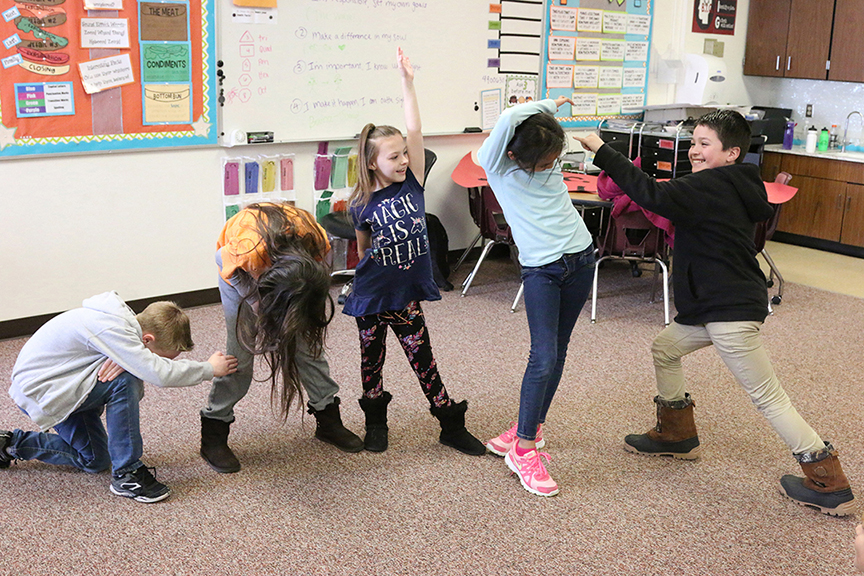
Circle of Viewpoints challenges students to look for possible perspectives, and then act, dance, or respond as that person.
- Set up: Show students an image or artwork that has diverse perspectives. You could use a primary source photograph, a painting of a historical event, a monument or sculpture, or a choreographed musical performance.
- Choose one perspective to explore. You may need to point out the differing perspectives or subjects with young children.
- Have students write or think: “I am thinking from the viewpoint of…”
- Have students write or act or perform: Be an actor, take on that character, and describe the moment from their point-of-view.
- Ask a question as the character: Ask a question the character would have.
Create a space where kindness and understanding are valued, where children feel safe expressing their feelings. Engage in empathy activities! Read stories or try playacting in a Circle of Viewpoints to build emotional capacity and promote social growth.


