Researching Indigenous Foodways of Utah
Making Connections Through the Native Foodways of Utah
I placed my teetering mountain of blue corn crepes on the table and watched as coolers and crockpots full of Indigenous food from Utah filed in behind me. As the lids came off, the mouthwatering smells of elk steak, pine-nut gravy, lamb roasted corn stew, and three sisters' enchiladas filled the room. I was ecstatic.
A couple months before, I had started researching foods native to the eight sovereign nations of Utah in order to craft a menu for the Native American Curriculum Initiative’s (NACI) November leadership meeting. My only experience with Indigenous food up to that point was Navajo tacos (big fan), so I was excited to delve deeper into the native foodways of Utah.
Cultural Culinary Connections
Research was slow going at first--most websites seem to focus on ingredients that Native Americans used to eat, instead of showcasing recipes Indigenous tribes and nations eat today, which reflects the common misconception that Native people are a thing of the past. However, the more I researched, the more I found incredible stories and recipes that continued ancient traditions and gave them a modern flair.
I learned about the Navajo-Churro breed of sheep, which are so precious that the Navajo Nation created their weaving style based on their wool, and consider them part of their family. I learned about pine-nut harvesting traditions in Goshute and Paiute cultures, the long history behind the potatoes in Shoshone Jerky and Potato soup, and the incredible shelf-life of Ute Mountain Ute pemmican. I even found similarities between my own Guatemalan culinary heritage of tamales and Navajo kneeldown bread. Every recipe showcased not only a deep love and respect for the lands of Utah, but also a living, vibrant culture, where traditional blue corn can be transformed into quiches and crepes, and high-class Indigenous dining is just down the street.
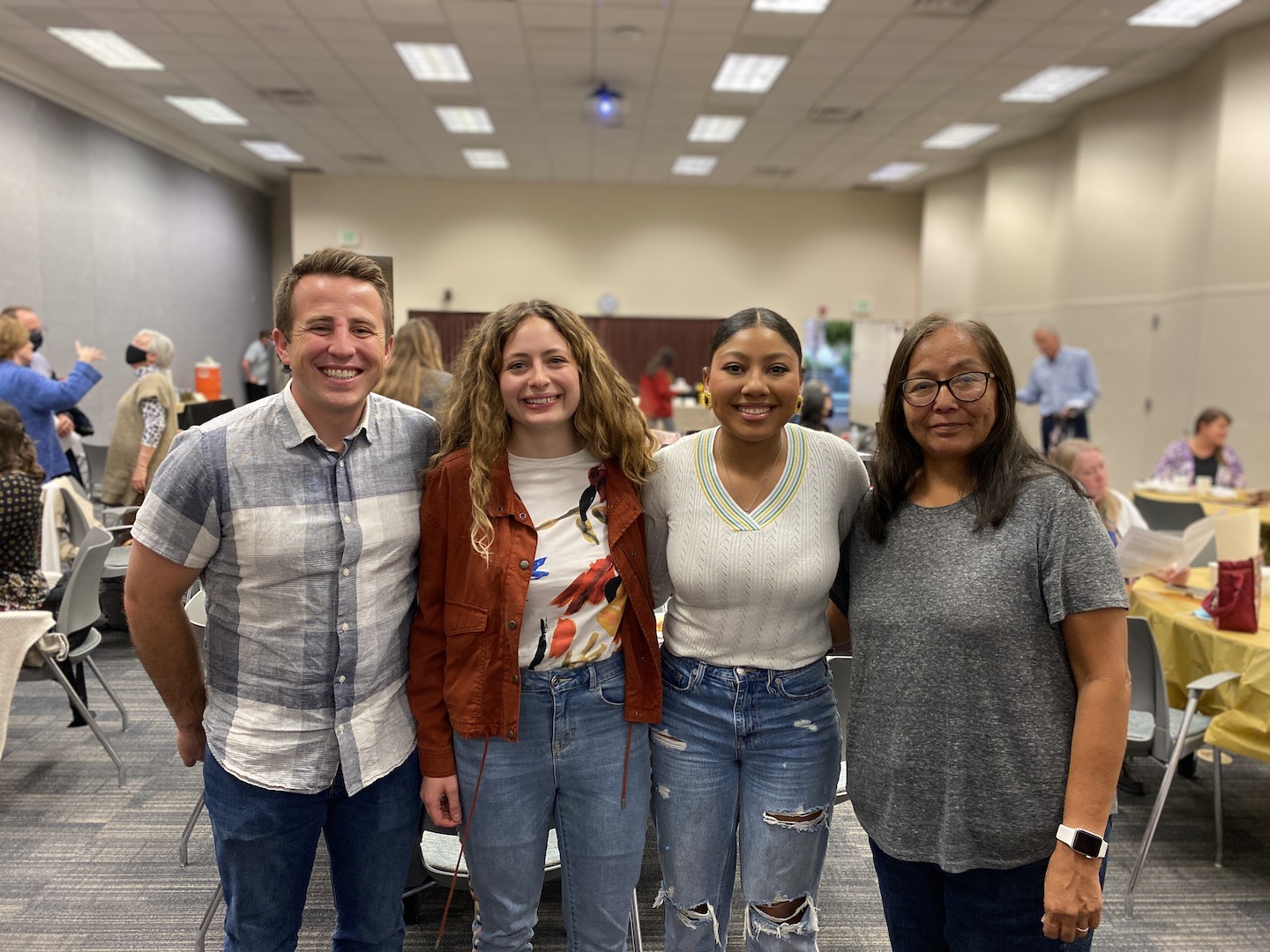
Even more special than researching the recipes was seeing them in action. The NACI leadership dinner brought to life the incredible Indigenous diversity just within Utah, and everyone came back for seconds. As we ate, we learned about different Indigenous artifacts that served as centerpieces on our tables, and enjoyed stellar performances from two fancy dancers from BYU’s Living Legends, Kiona Lucio and Kelina Anderson.
Bringing Communities Together
At the end of the event, we all joined hands in a traditional round dance, and I realized how powerful food really is. Good, meaningful food has the power to cross cultural barriers and bring communities together. The United States government has a long history of trying to erase and destroy indigenous cultures, or portray them as relics of the past. But Native cultures are vibrantly alive and fabulously diverse. Tribes and nations in Utah might share a lot of ingredients, but each of the eight sovereign nations create their own unique recipes and ways of loving the land. The Indigenous food we enjoyed told stories both ancient and new, and allowed us to share and engage with local indigenous culture.
As part of NACI’s education goals, the recipes I collected will go to create a lesson plan for K-12 students here in Utah. Food is a wonderful way to learn, because it fosters love and appreciation across different cultures. And by bringing Utah Indigenous history into the classroom, we can create a better, more-inclusive future.


