Charlotte Hawkins

March 31, 2025
Thinking routines help our youngest students learn to explain themselves, place their ideas in context, and make connections.
March 4, 2025
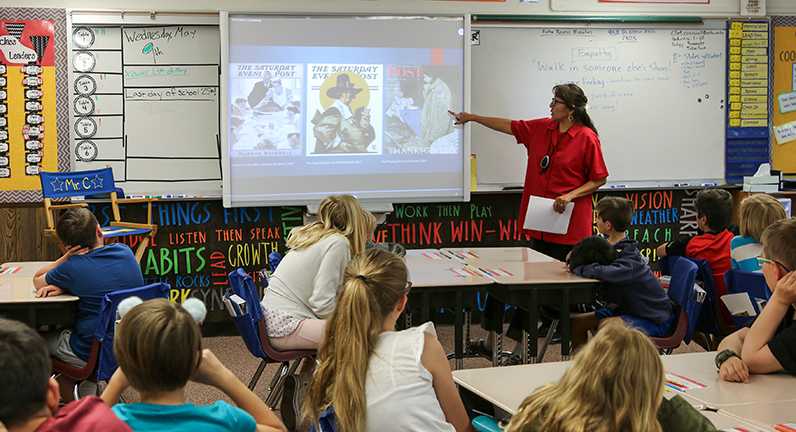
Slow Looking is a thinking routine from Harvard’s Project Zero. Slow Looking gives us additional information and insight, might help us notice things we’ve overlooked, and places things in context. Thinking routines help us and our students build meaning through observation.
February 26, 2025
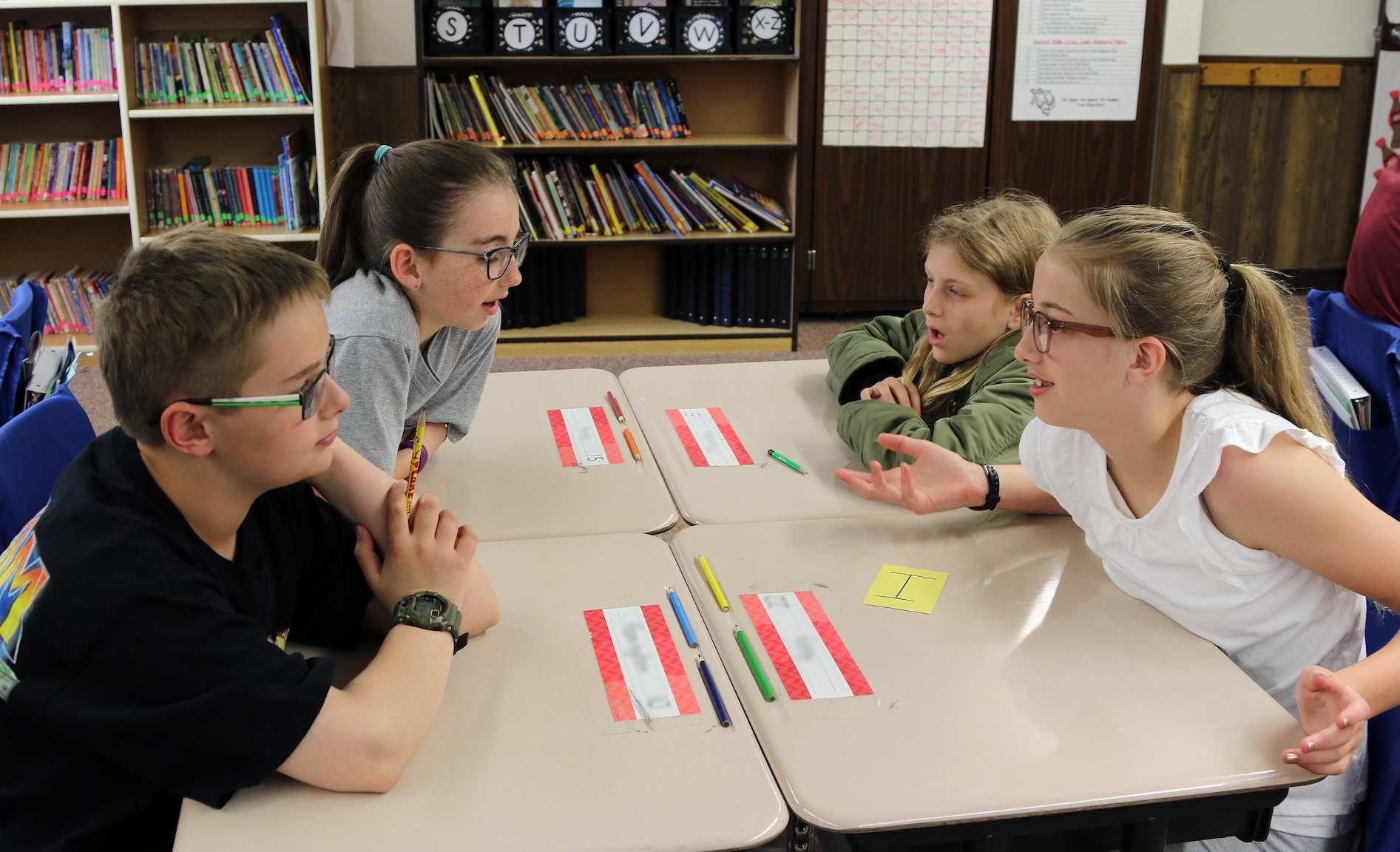
"What makes you say that?" It is a non-threatening way of asking a person to explain themselves more clearly. Making thinking visible, so that we can better understand. “What Makes You Say That?” and other routines are part of Project Zero (PZ), a Harvard Graduate School of Education initiative.
February 13, 2025
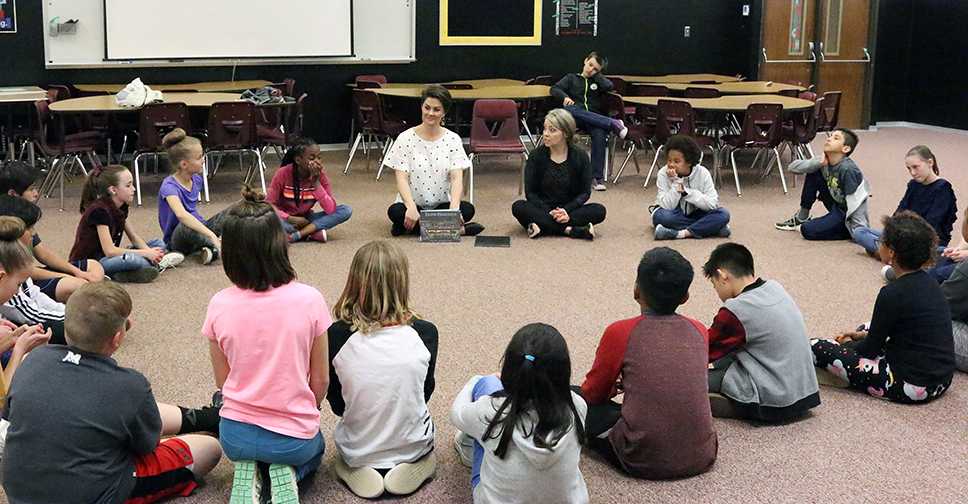
When we talk to our students about individuals in a community, it’s great to use a thinking routine which helps students connect themselves to each other. One such routine is called “Who am I? Explore, Connect, Identify, Belong” by Project Zero. Project Zero, a Harvard Graduate School of Education initiative, creates simple, research-based strategies which enable students to engage, reflect, and explore the complexity of identity.
February 13, 2025
The goal of this routine “is to help students appreciate how looking at something can expand one’s understanding of it, which in turn can provide a basis for making connections to other things. The routine encourages students to explore the interconnectedness of knowledge, and to understand that if they intentionally look for connections, they can find them”.
January 13, 2025
Project Zero’s thinking routines should be integrated into every activity, not merely used to move a lesson forward. Teachers are encouraged to plan for thinking by providing time, space, and opportunities for students to reflect and make connections within the lessons. MYST (Me, You, Space, Time) is a tool or routine for teachers to ensure that thinking is regularly modeled, discussed, shared, and challenged so that children are immersed in thinking, and it is no longer invisible and mysterious.
January 13, 2025
Use the "3 A’s" thinking routine in your classroom to encourage respect, responsibility, and reflection among students. Cultivate a positive classroom culture as your students share gratitude, acknowledge mistakes, and highlight moments of learning.
November 11, 2024
We are all guilty of asking questions that only test students' memory, which limits deeper thinking and engagement. Instead, asking open-ended, authentic questions that encourage critical thinking and reflection, helping students make connections and understand material on a deeper level. Strategies from Project Zero, like asking follow-up questions, can help shift classroom discussions toward meaningful inquiry and promote student learning beyond simple recall.
November 11, 2024
Better student-teacher relationships are key: research shows that students who had a good relationship with their teacher were 8 times more likely to stick with a challenging task, enjoy hard work, and accept mistakes when learning. How can teachers leverage their relationships with students while also holding a high bar for behavior and performance?
October 3, 2024
Imagine a classroom where every student, even the quietest, has a chance to share their thoughts without uttering a word. "Chalk Talk" transforms group discussions by encouraging silent responses to prompts. Discover how this innovative routine can balance participation and bring out the unique ideas of every learner.