Blog

March 23, 2026

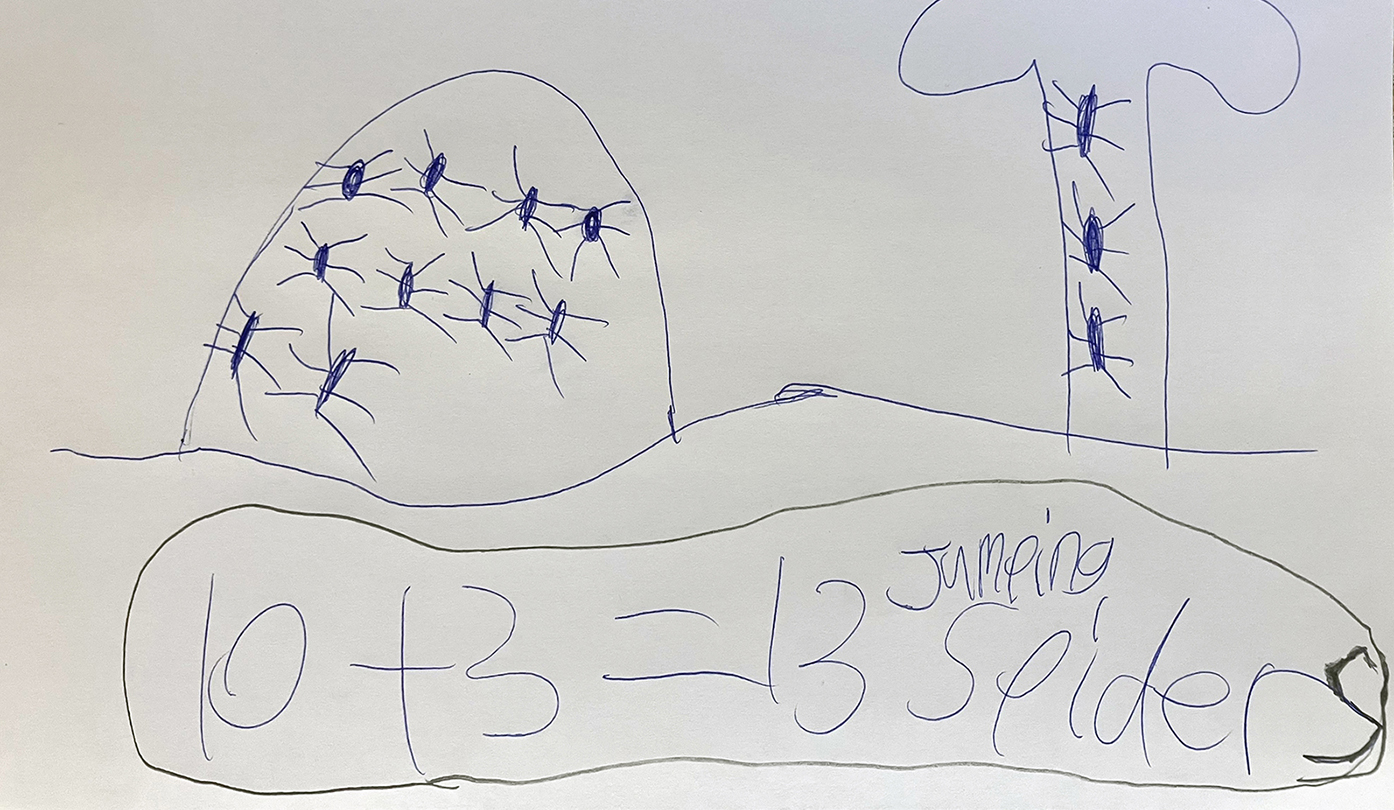
As a first-grade teacher, I know that one of the most difficult mathematical skills for young students to master is that of solving word problems. Often, they have difficulty understanding what the story is all about. Should they add or subtract? How can they solve it?

December 8, 2025
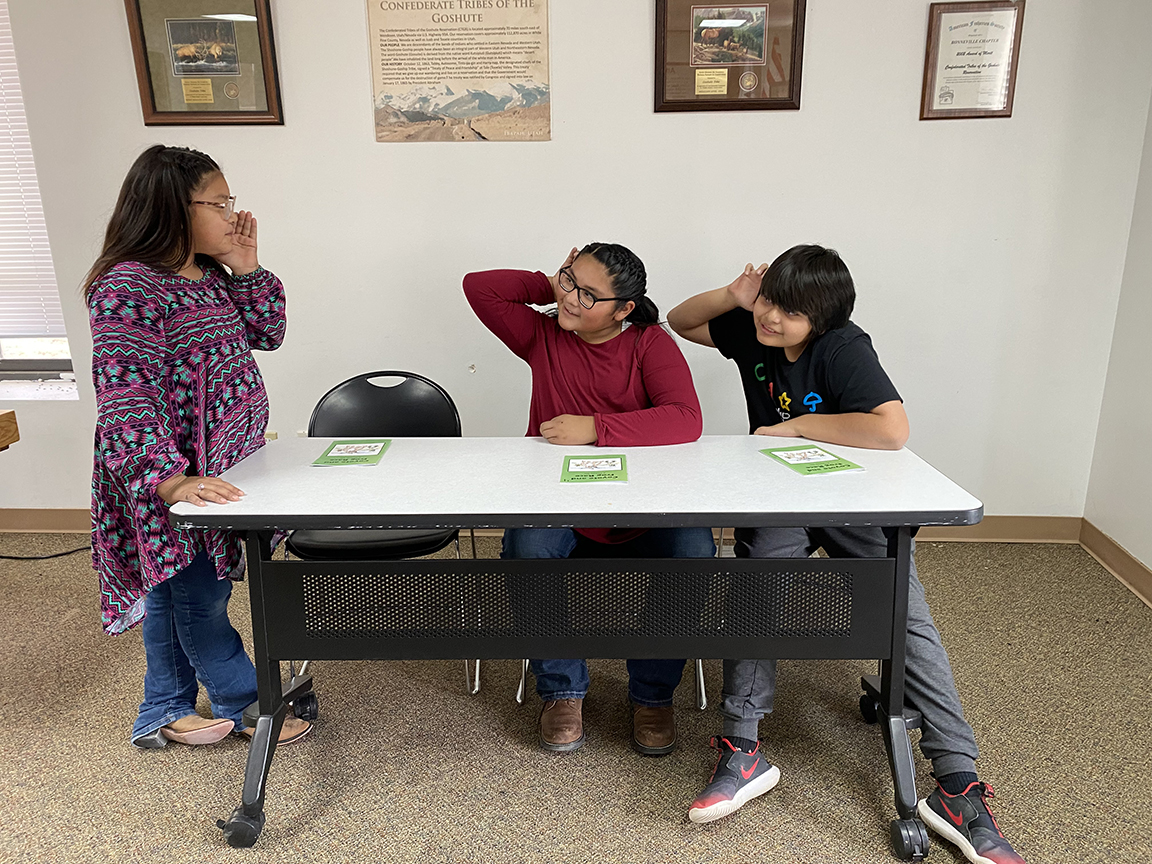
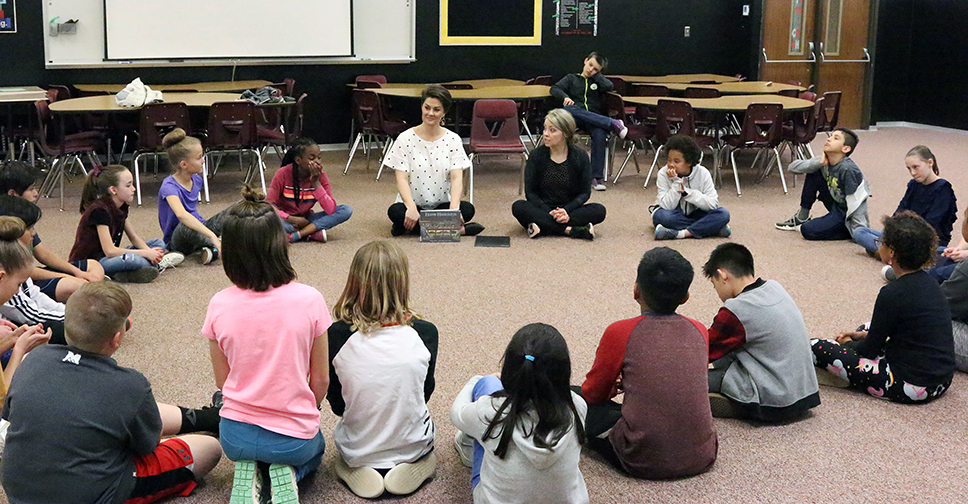
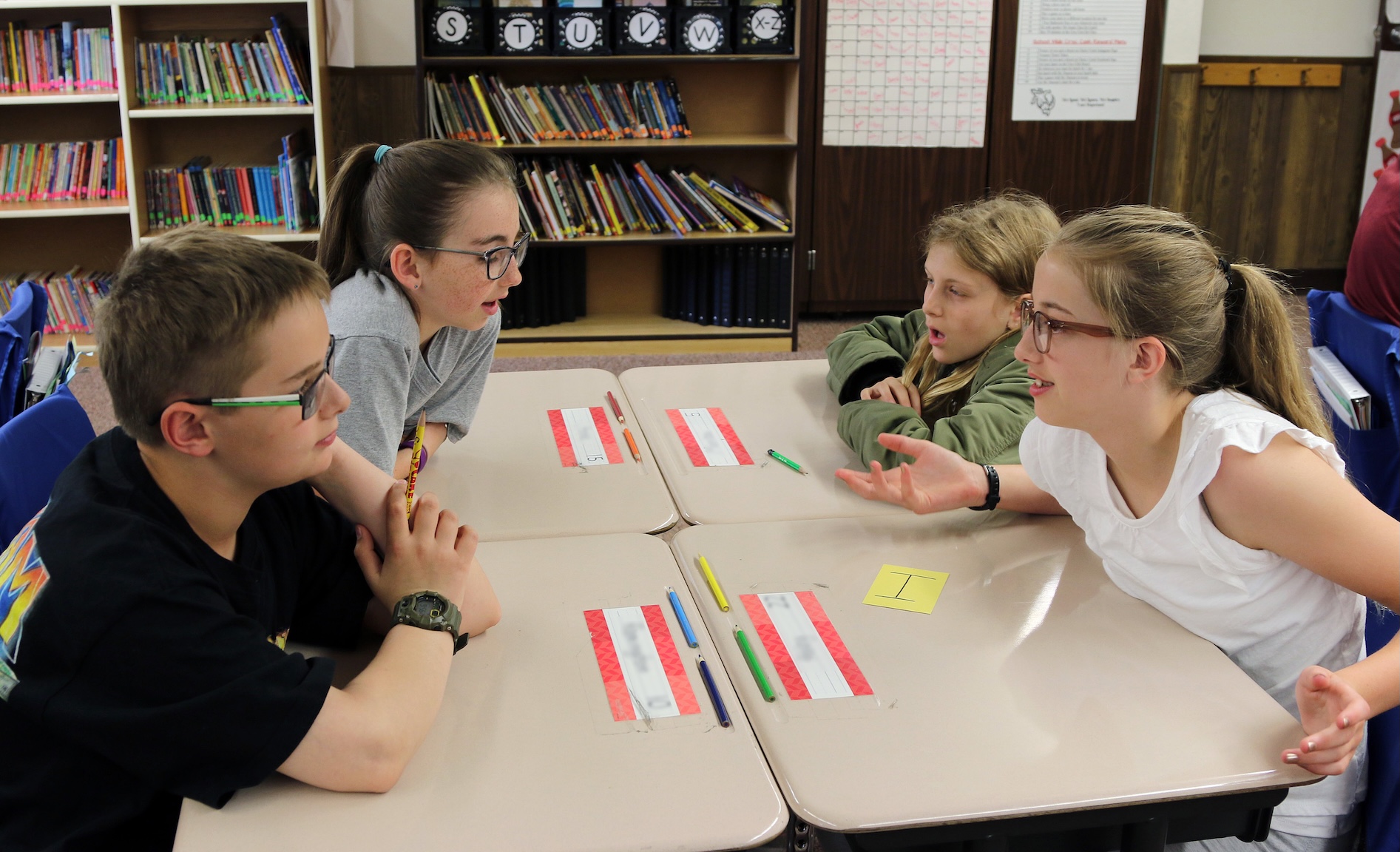
The Micro Lab Protocol was developed by the New South Wales Educational Authority in partnership with Project Zero. The purpose of this routine is to give every student a participatory voice, to practice speaking and active listening.
November 24, 2025
When the walls of our classroom celebrate the messy and complex nature of learning through the display of reflections, analysis, and ongoing learning rather than simple products, we reinforce the message that this is how we view learning, that the process is as important to celebrate as the product, perhaps even more so.
October 28, 2025
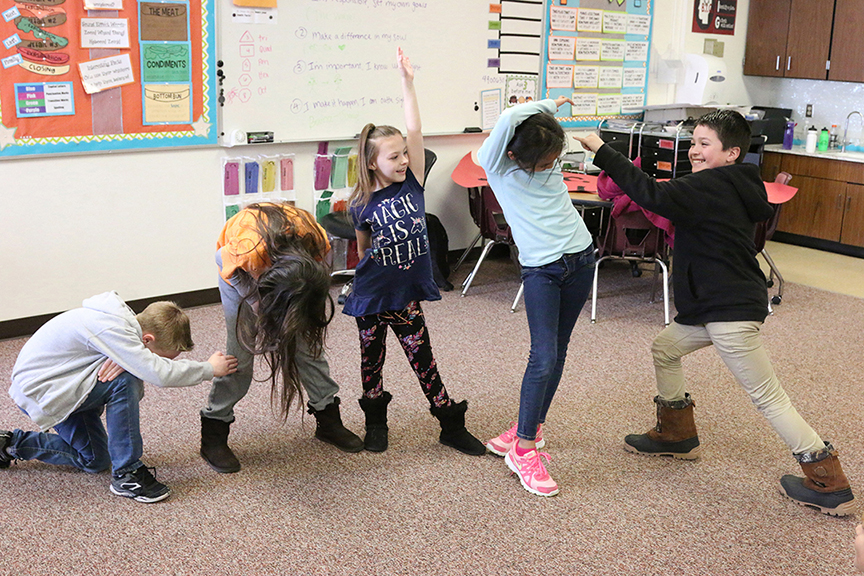
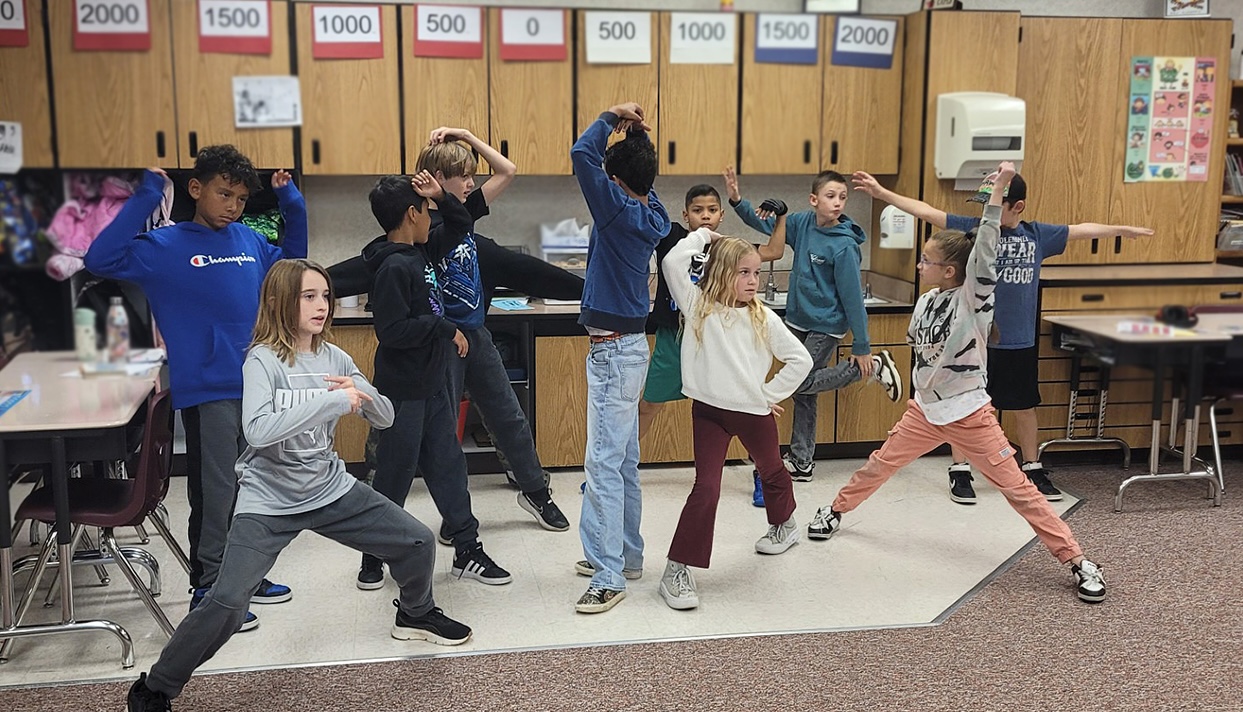
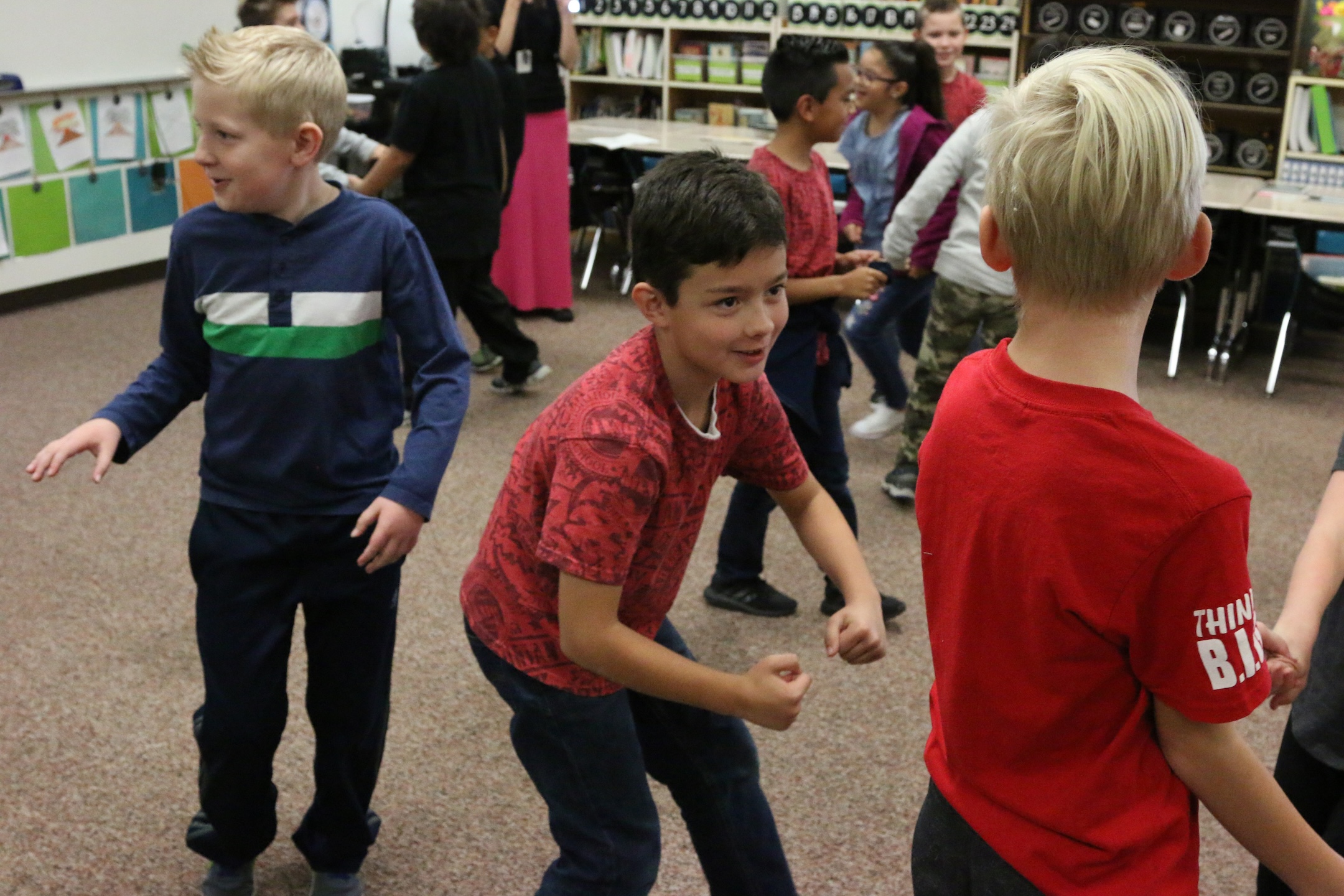
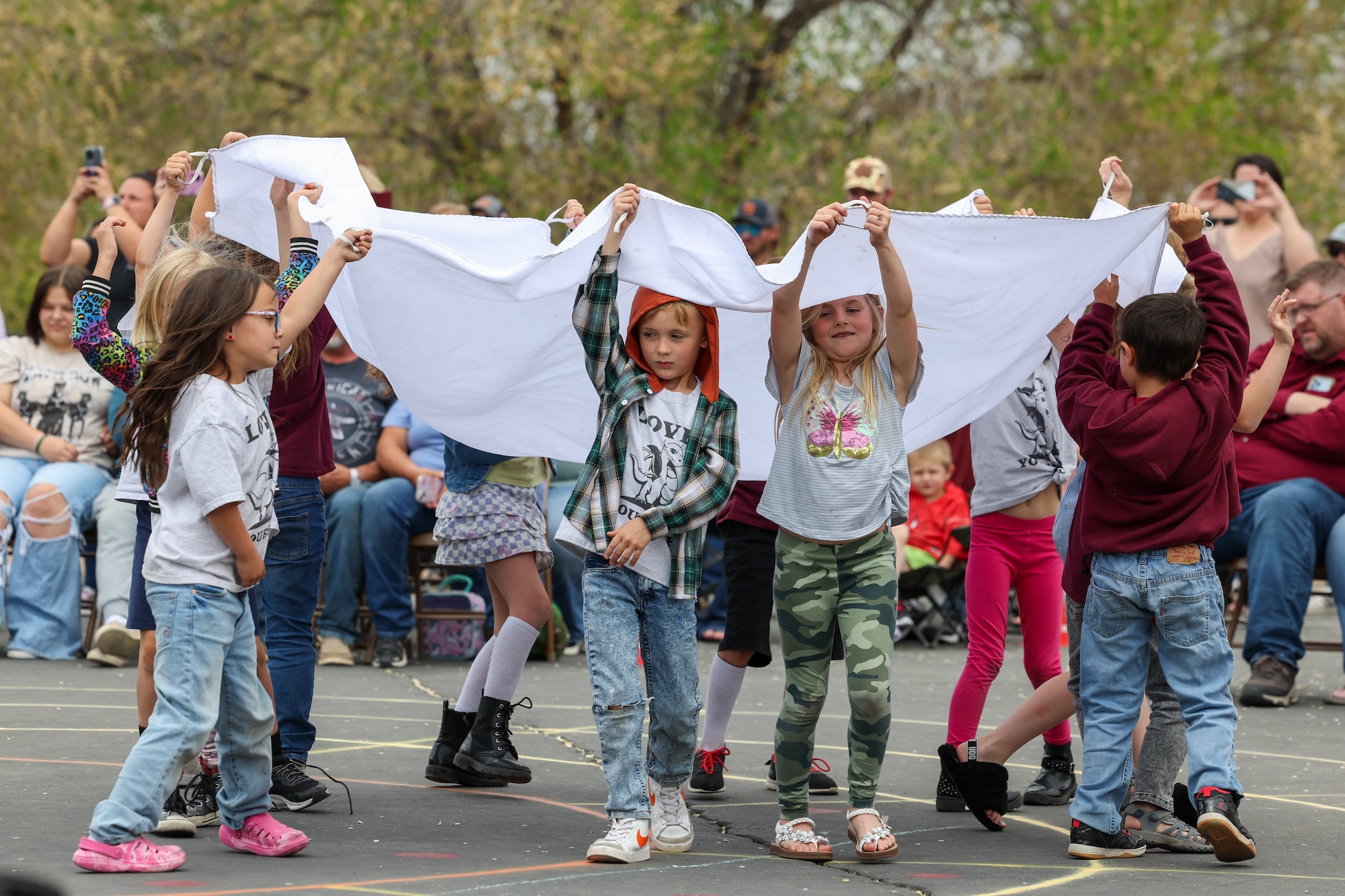
Circle of Viewpoints challenges students to look for possible perspectives, and then act, dance, or respond as that person.
October 6, 2025
Tug of War is a thinking routine to get students to explore the complexity of “fairness” in a dilemma or a complex situation. The idea behind Tug of War is to give children a metaphor, like a children’s playground game, to demonstrate the “pulls” of various factors in a problem.
September 15, 2025
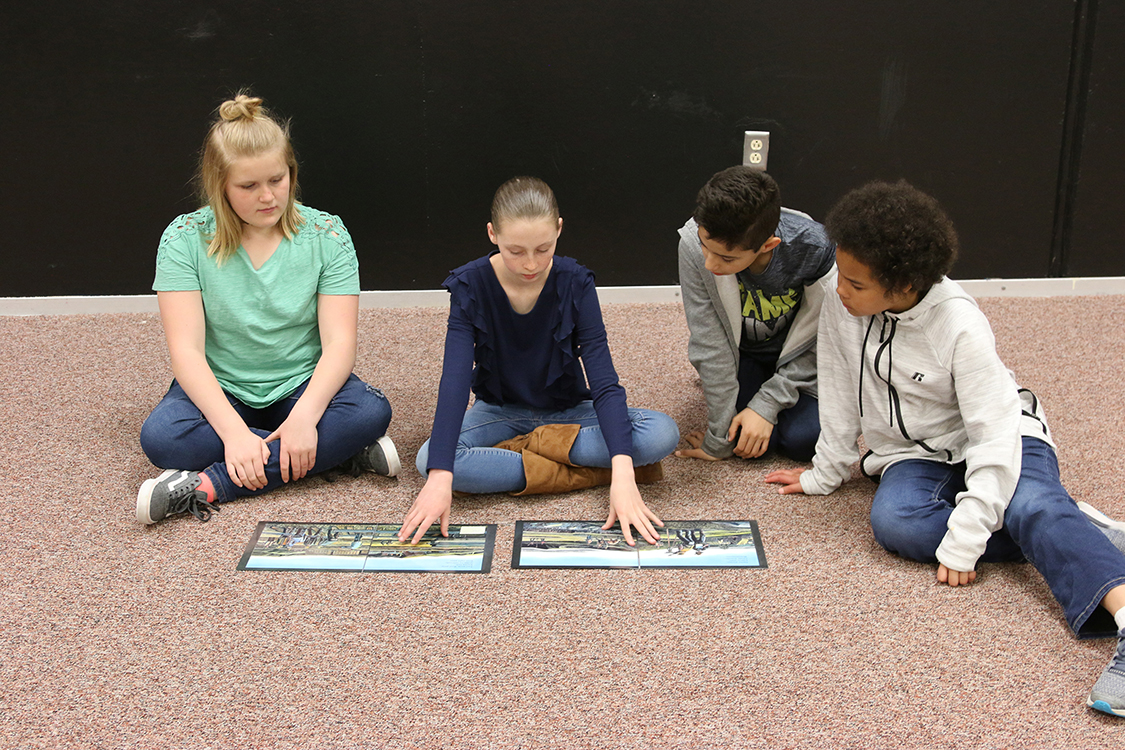
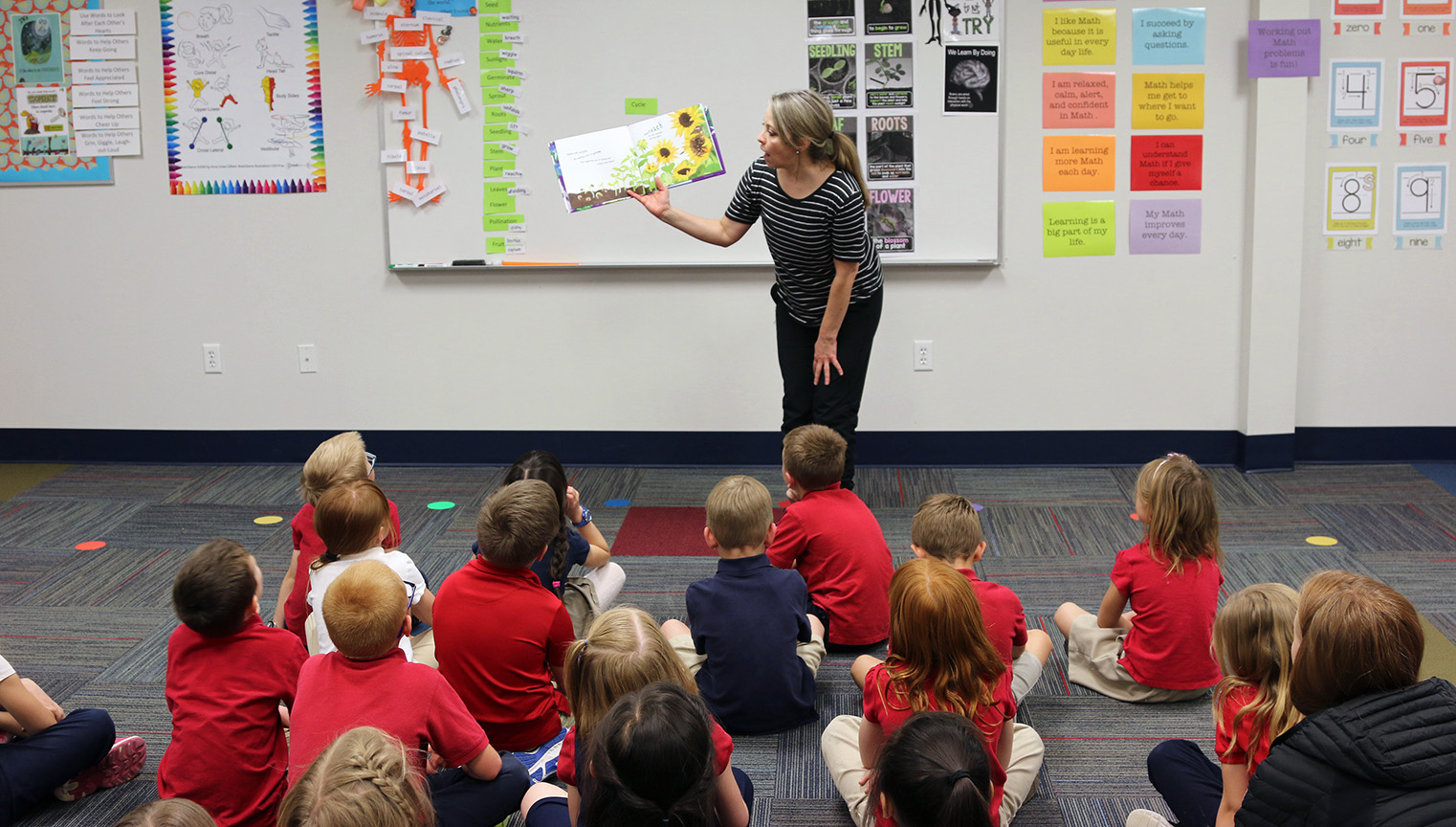
Beginning, Middle, End is a thinking routine developed by researchers at Project Zero to do just that, get students to look at an image or object, and tell a story.
September 10, 2025
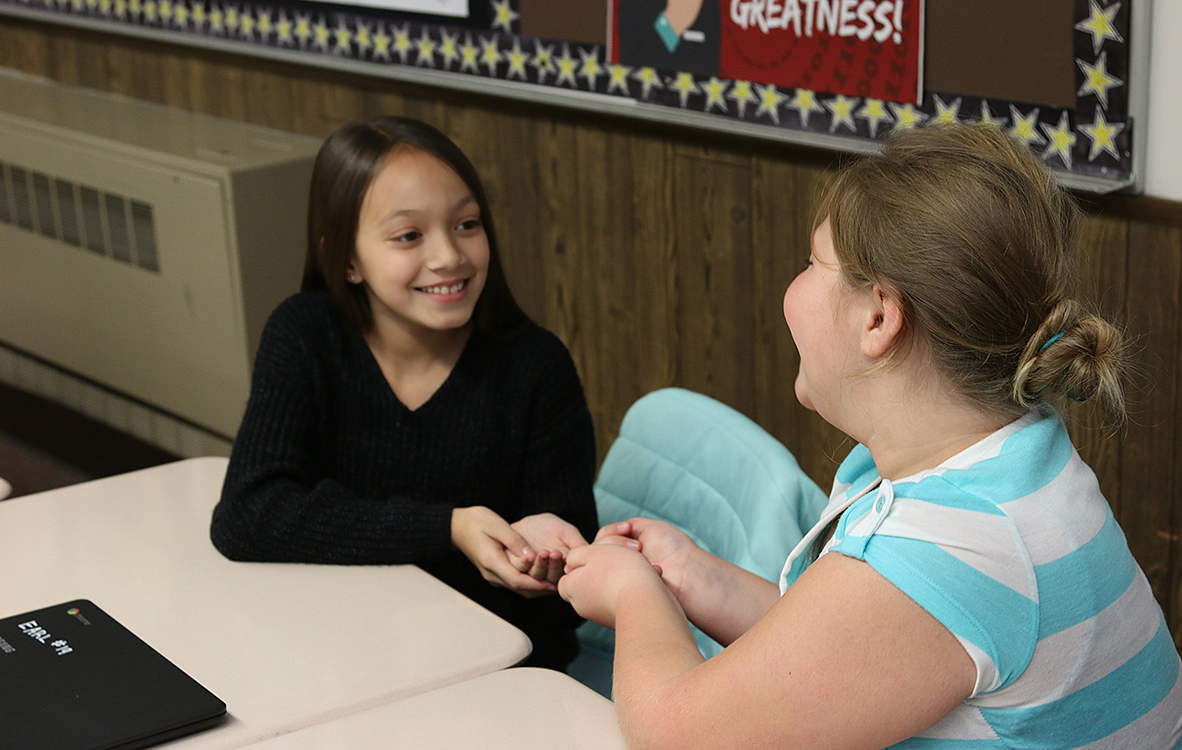
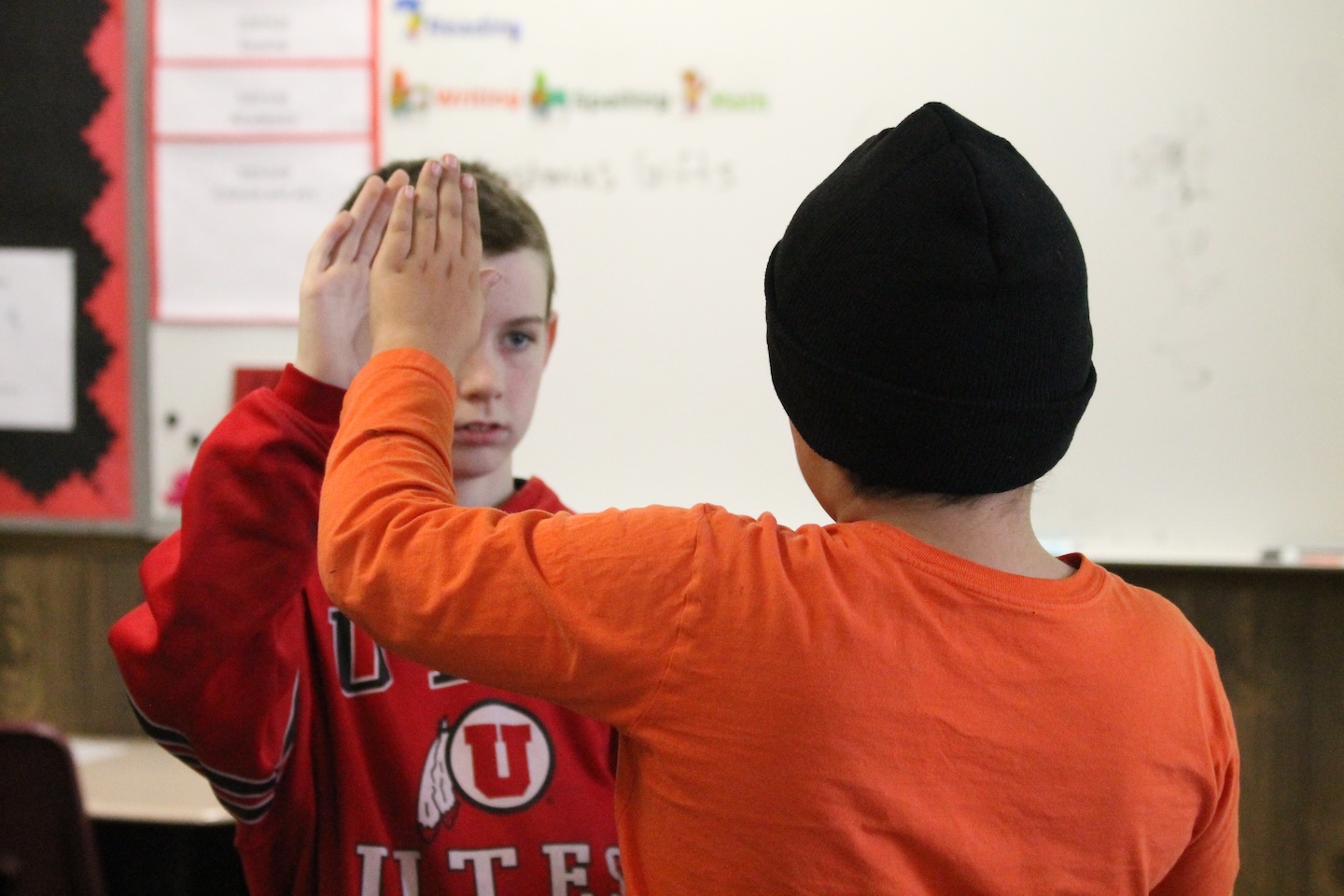
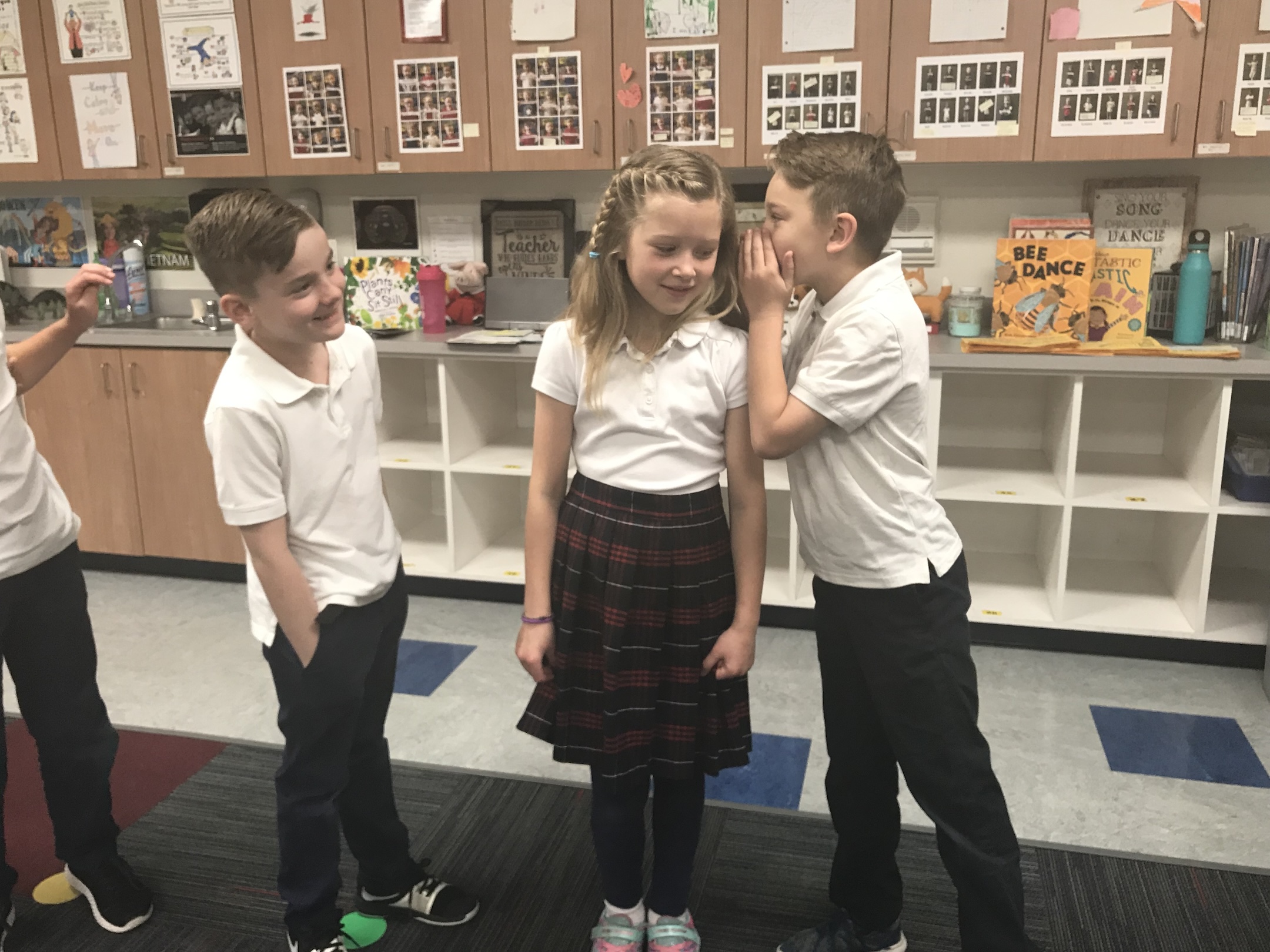
Give One, Get One, a thinking routine from Project Zero, has a format for engaging all students in conversational exchange, including the socially anxious.
August 25, 2025

I watched with hilarity as two teenagers accepted a challenge: call grandma on an old rotary phone. It was amusing to me because I know how to use a rotary phone. And a typewriter. And a compass. My dad taught me that one. After the buzzer went off, they hung their heads in frustration.

May 13, 2025
As we begin a new school year and rededicate ourselves to the task of educating children and making their thinking visible, remember that students learn best when they are “valued, respected, and known by adults” (Ron Ritchhart). If we want creative risk-takers in our classrooms, we need to ensure they feel supported and safe.
May 5, 2025
Exploring your relationship with a place and mapping out an area require visible thinking. Project Zero (PZ), a Harvard Graduate School of Education initiative, has a thinking activity to construct a map and understand complex structures — like spatial relationships.
April 29, 2025
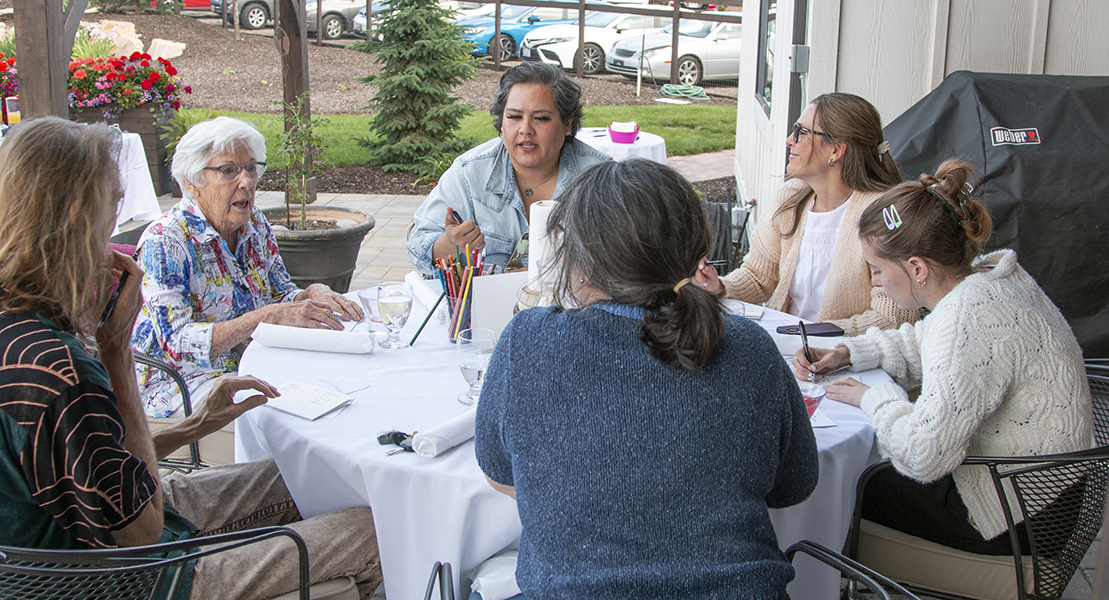
Learning From Other Generations is an activity to explore what we can learn from people who belong to different generations. Adapted from Out of Eden Learns (OOEL) a Harvard curriculum, this routine can bring generations together.
March 31, 2025
Thinking routines help our youngest students learn to explain themselves, place their ideas in context, and make connections.
March 24, 2025
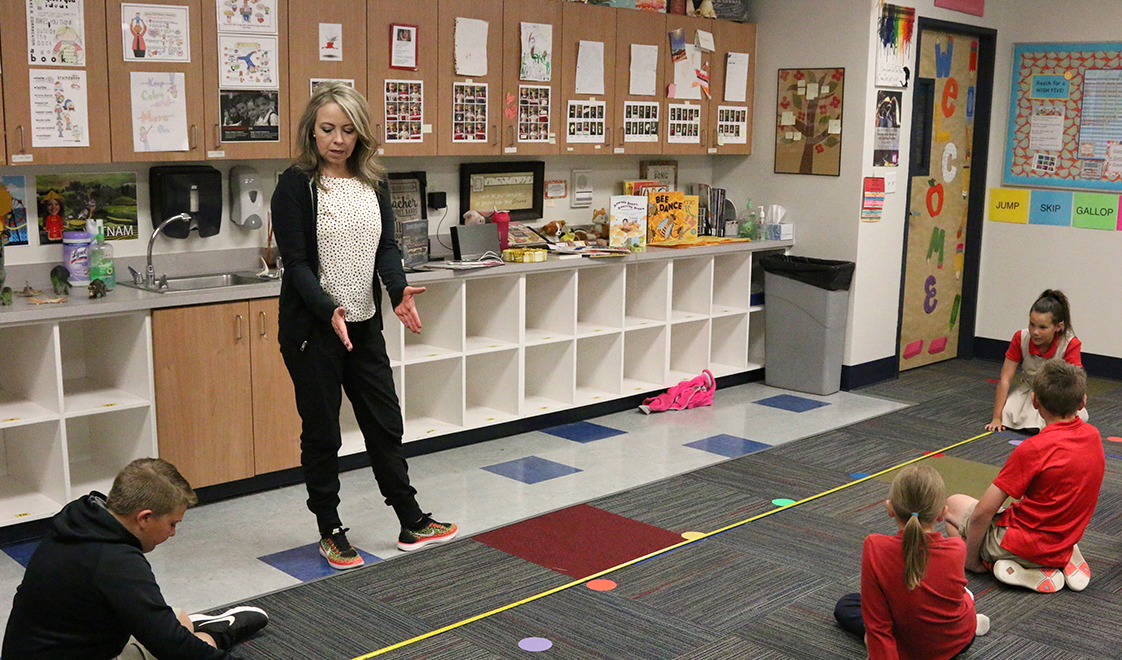
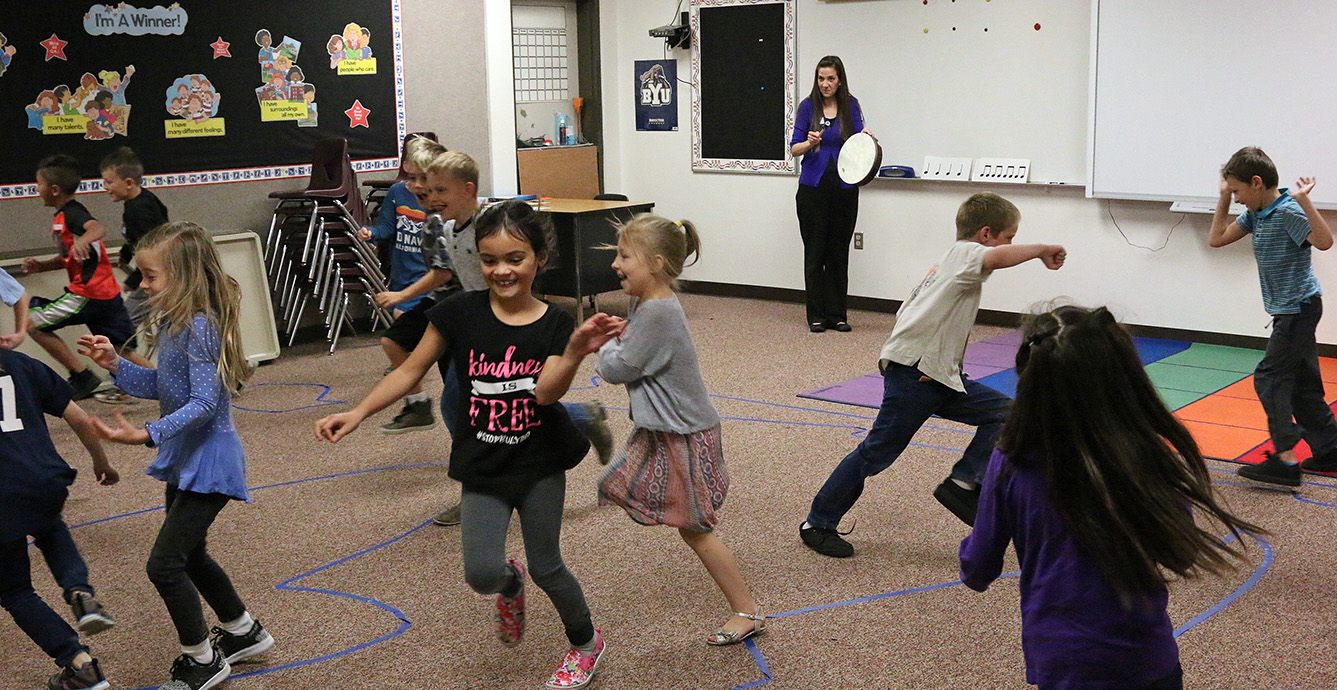
What can a group of first grade students and an experienced classroom teacher learn from a university arts student? As it turns out – a lot! My class recently had the privilege of hosting a BYU dance student for a semester. Everything about this experience was positive. It was a time of learning, fun, and connecting. There were too many benefits to write about here, but these are a few of them.
March 4, 2025
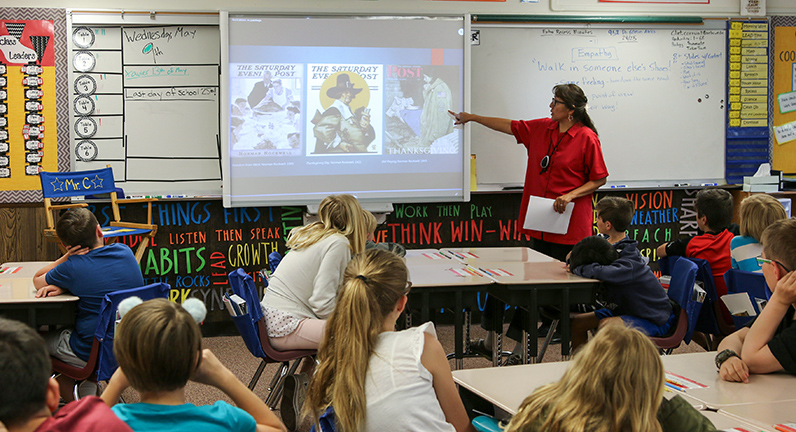
Slow Looking is a thinking routine from Harvard’s Project Zero. Slow Looking gives us additional information and insight, might help us notice things we’ve overlooked, and places things in context. Thinking routines help us and our students build meaning through observation.
February 26, 2025
"What makes you say that?" It is a non-threatening way of asking a person to explain themselves more clearly. Making thinking visible, so that we can better understand. “What Makes You Say That?” and other routines are part of Project Zero (PZ), a Harvard Graduate School of Education initiative.
February 13, 2025
Our students can be hard to wrangle at times. Read this blog to access a list of 6 of our favorite concentration games that can help your students gain focus skills.
February 13, 2025
Learn about 7 of our favorite storytelling and language games, perfect to fill those 10-minute time gaps in your classroom routines.
February 13, 2025
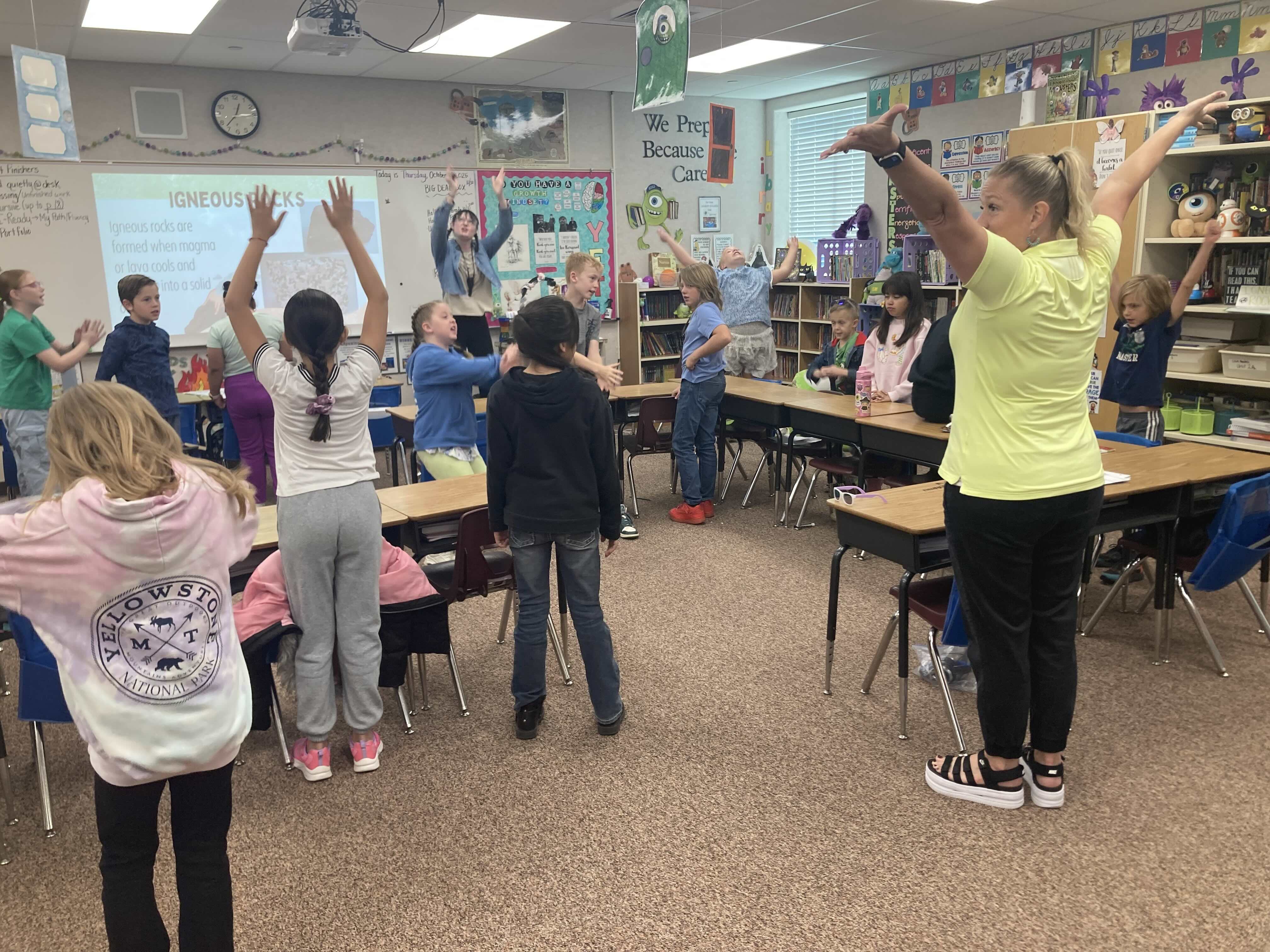
Drama games are a great way to fill spare pockets of time in the classroom. They are the perfect vehicle to encourage classroom community and inspire learning.
February 13, 2025
When we talk to our students about individuals in a community, it’s great to use a thinking routine which helps students connect themselves to each other. One such routine is called “Who am I? Explore, Connect, Identify, Belong” by Project Zero. Project Zero, a Harvard Graduate School of Education initiative, creates simple, research-based strategies which enable students to engage, reflect, and explore the complexity of identity.
February 13, 2025
The goal of this routine “is to help students appreciate how looking at something can expand one’s understanding of it, which in turn can provide a basis for making connections to other things. The routine encourages students to explore the interconnectedness of knowledge, and to understand that if they intentionally look for connections, they can find them”.
February 4, 2025
The film Illusion of Abundance is a grassroots project addressing social, racial, and climate justice issues relating to the rapid decline of Great Salt Lake. The goal is to touch hearts and minds –- as only the arts can –- to inspire, inform, and encourage engagement and action to save Great Salt Lake and its ecosystems.
January 13, 2025
Use the "3 A’s" thinking routine in your classroom to encourage respect, responsibility, and reflection among students. Cultivate a positive classroom culture as your students share gratitude, acknowledge mistakes, and highlight moments of learning.
January 13, 2025
Project Zero’s thinking routines should be integrated into every activity, not merely used to move a lesson forward. Teachers are encouraged to plan for thinking by providing time, space, and opportunities for students to reflect and make connections within the lessons. MYST (Me, You, Space, Time) is a tool or routine for teachers to ensure that thinking is regularly modeled, discussed, shared, and challenged so that children are immersed in thinking, and it is no longer invisible and mysterious.
November 11, 2024
We are all guilty of asking questions that only test students' memory, which limits deeper thinking and engagement. Instead, asking open-ended, authentic questions that encourage critical thinking and reflection, helping students make connections and understand material on a deeper level. Strategies from Project Zero, like asking follow-up questions, can help shift classroom discussions toward meaningful inquiry and promote student learning beyond simple recall.

Contact Us


(801) 422-4974
Join Our Newsletter